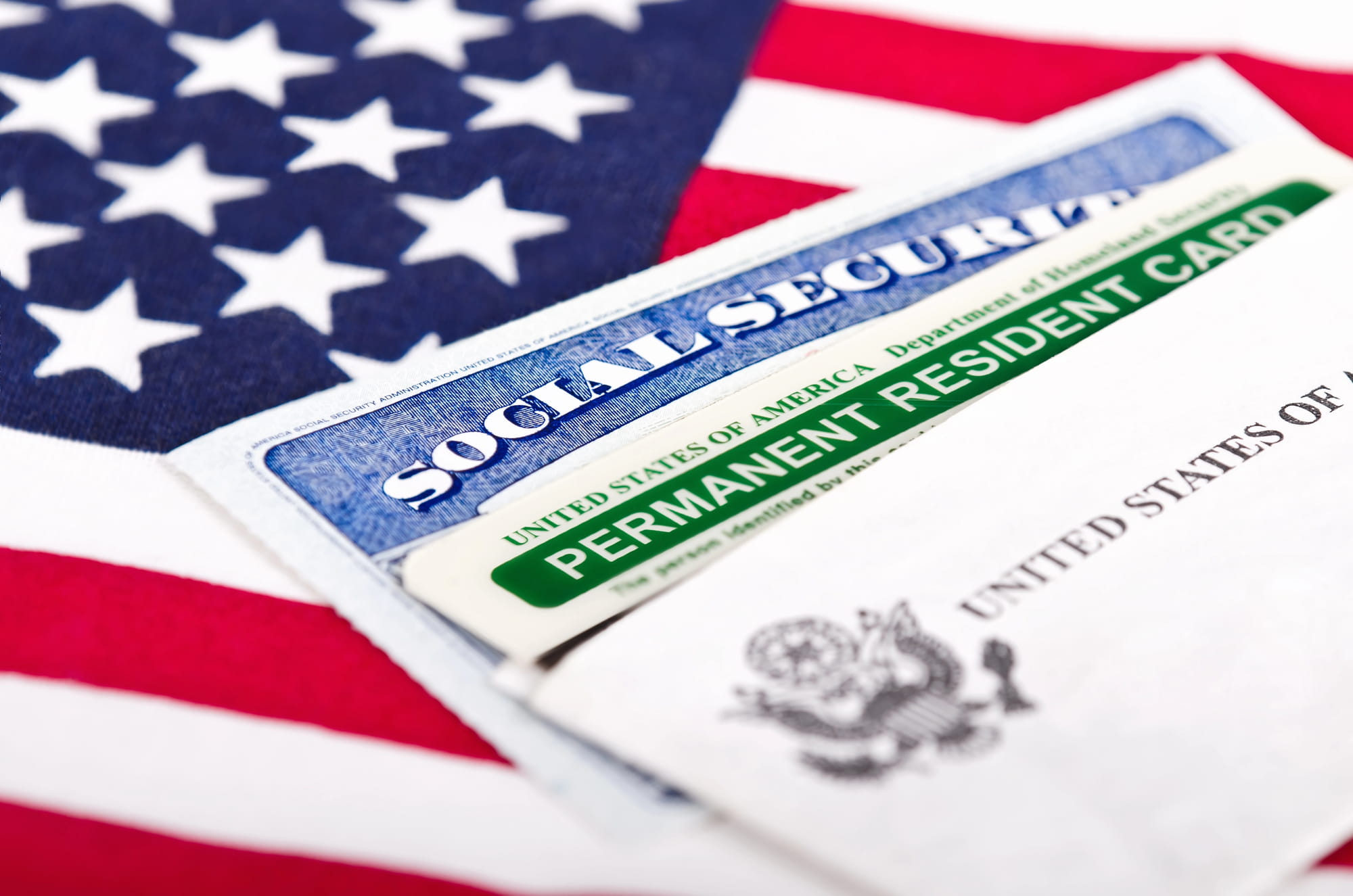
A green card application does not always require leaving the country, because federal law allows some applicants to apply from inside it. The route is known as adjustment of status, and it comes with firm conditions. Knowing those conditions early helps an applicant judge whether the path is open.
Federal Law Sets Three Conditions
Under 8 U.S.C. 1255(a), a person who was inspected and admitted or paroled into the United States may have status adjusted to permanent resident when three conditions are met:
- The person files an application for adjustment.
- The person is eligible for an immigrant visa and admissible to the United States for permanent residence.
- An immigrant visa is immediately available when the application is filed.
These requirements work together. A person can meet the first two and still be stopped by the third if no visa number is available in the relevant category. The first condition is procedural, the second turns on the person’s own eligibility and admissibility, and the third depends on the visa queue for the category.
How a Person Entered Comes First
The opening requirement is that the applicant was inspected and admitted or paroled, so how a person entered the country is the first question to answer. The statute describes entry in terms of inspection and either admission or parole, which are two different ways of entering. Judging whether the remaining conditions are met is a task for a Des Plaines immigration lawyer, because one missed requirement can lead to a denial.
Visa availability is the third condition and the one that can decide timing. A category with a waiting line cannot proceed until a visa number is available. Eligibility for an immigrant visa can rest on a family relationship, an employer, or another qualifying category. Some admissibility problems can be addressed through waivers, a topic that arises in removal defense work as well.
The Process Takes Time
Eligibility categories drive the paperwork, so the first step is identifying which category applies. A Des Plaines adjustment of status case then moves through USCIS processing, and the timeline differs from case to case. Applicants in the Chicago area work with the USCIS field office there, and a request for evidence or a denial can follow an incomplete filing.
Form editions change, and updated green card forms such as new editions of Forms I-485, I-129F, and I-130 come with grace periods for some older versions. USCIS expects every page of a submitted form to match the same edition date, and an old version or a mix of pages can lead to a rejection, so applicants should check the USCIS website for the current edition before filing.
Adjustment Is One of Several Green Card Paths
Adjustment of status is one of several routes. A Des Plaines green card matter can also involve marriage, family, or employment-based petitions, consular processing, renewals, or the removal of conditions. Green card work also includes responding to requests for evidence and to denials, and a K-1 visa case can lead to adjustment of status and a green card afterward.
Adjustment Can Matter in Immigration Court
A person who faces removal proceedings may still have a path to permanent residence. A Des Plaines deportation matter can include adjustment of status among the forms of relief raised in the Chicago Immigration Court. That work can also involve bond hearings, asylum, cancellation of removal, waivers, and appeals.
Citizenship Comes Later
Permanent residence can be a step toward naturalization, and the 2026 citizenship test brings changes, including an expanded review of good moral character. That review looks beyond criminal history to matters such as taxes, child support, and Selective Service registration.
Eligibility requirements and the case timeline for naturalization differ from those for a green card, so the two applications should be planned separately. Planning for that later step is easier when the green card application is accurate and complete the first time. A Des Plaines immigration lawyer can review the application with the whole path in mind.
The Attorney Leading the Firm
Dworsky Law Firm is led by attorney Ashley Dworsky, who earned law degrees at the University of Witwatersrand in Johannesburg and previously served as an Advocate (Barrister) to the High Court of South Africa. Dworsky is admitted in the State Bars of Illinois and New York.
Because adjustment depends on how a person entered and on whether a visa is available, anyone in Des Plaines weighing a green card application can reach out to the firm before filing anything with USCIS.