
Are You or Your Spouse a Conditional Green Card Holder?
If you’re a foreign national married to a U.S. citizen, you may have received a conditional green card. These two-year green cards are common for newer marriages and come with one critical requirement: renewal. If you don’t file correctly and on time, your legal status can be jeopardized, even if your marriage is legitimate. Understanding the process, the timeline, and the legal requirements is key to protecting your future in the United States.
What Is a Conditional Green Card and Why Is It Issued?
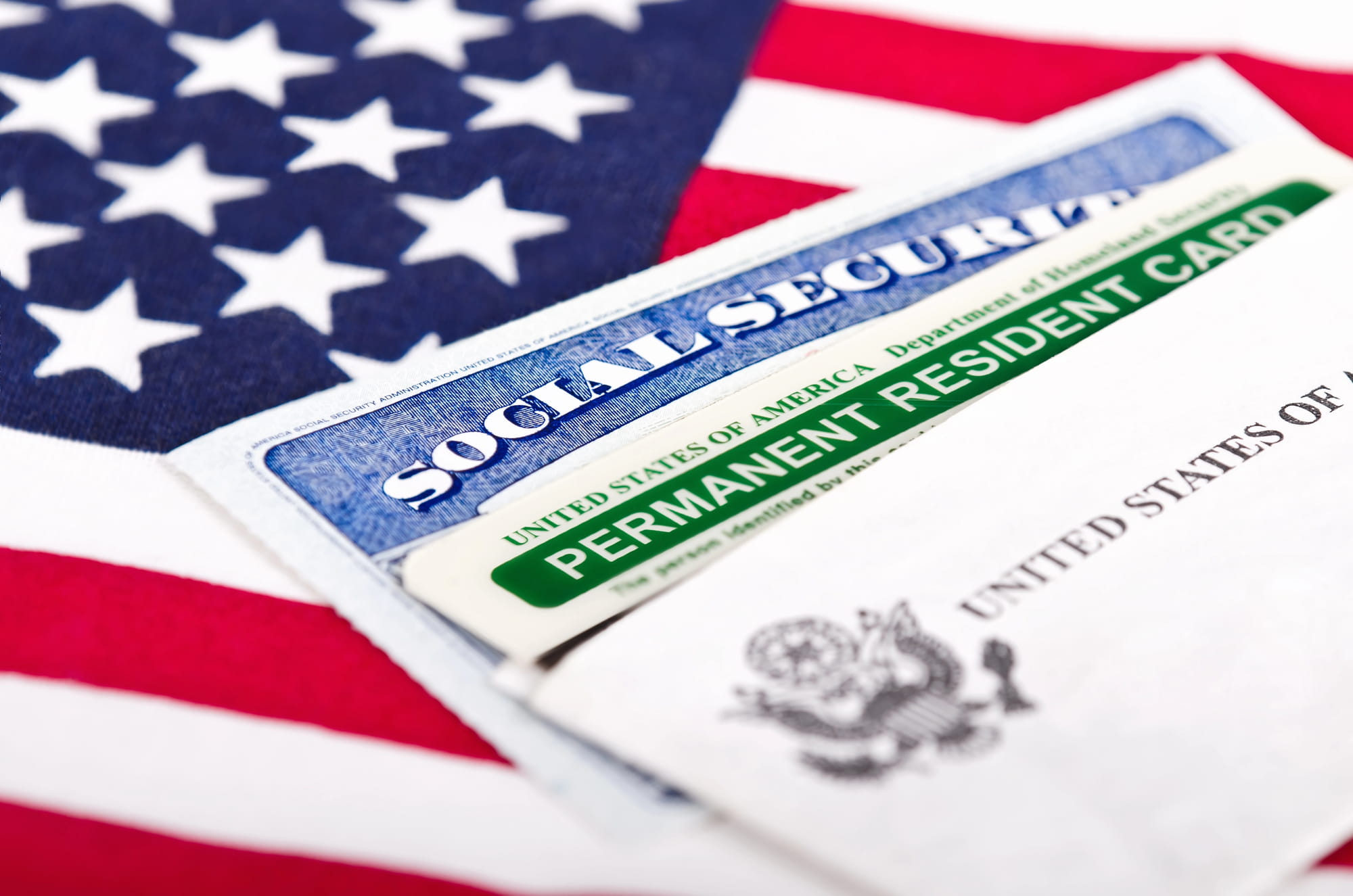
The U.S. government issues conditional green cards to spouses of U.S. citizens when the marriage is less than two years old at the time of approval. This condition is intended to prevent immigration fraud by ensuring the marriage is genuine and not simply for immigration purposes.
Instead of a full 10-year green card, conditional residents receive a two-year version. Before that card expires, you must file a petition to remove the conditions and apply for a permanent green card. If you fail to do this, your status will automatically terminate, and you may be placed in
removal proceedings.
When Should You Begin the Renewal Process?
Timing is critical. You must file Form I-751, Petition to Remove Conditions on Residence, during the 90-day window before your conditional green card expires. If you file too early, your petition will be rejected. If you miss the deadline, you’ll be considered out of status unless you can show good cause.
Keep in mind that the processing timeline for these petitions can be lengthy, often taking up to a year or more. Filing within the required timeframe allows you to receive a receipt notice that automatically extends your green card for 24 months while your case is pending.
How Do You File a Joint Petition With Your Spouse?
In most cases, spouses file Form I-751 together. This joint petition requires both you and your U.S. citizen spouse to sign the form and submit evidence that your marriage is real and ongoing.
Some helpful examples of evidence include:
- Joint bank account statements, lease agreements, or mortgage documents
- Utility bills or insurance policies with both names
- Photos together over time, travel records, or children’s birth certificates
The more documentation you can provide showing a shared life, the stronger your petition will be. The U.S. Citizenship and Immigration Services (USCIS) will review all of this to confirm the legitimacy of your marriage.
What If You Are No Longer Married?
Not all marriages last. If you are divorced, widowed, or separated when your conditional green card is about to expire, you can still apply for permanent residency, but you’ll need to request a waiver of the joint filing requirement.
This waiver requires you to show that:
- Your marriage was entered in good faith, but it ended in divorce or annulment
- You were subjected to abuse or extreme hardship during the marriage
- Your removal from the U.S. would result in extreme hardship
Filing with a waiver is more complex and may lead to additional scrutiny, so it is strongly recommended that you work with an experienced immigration attorney in these situations.
Can You Travel or Work While Your Petition Is Pending?
Yes. Once you file Form I-751 and receive your receipt notice, your conditional resident status is automatically extended for 24 months. During this time, you are allowed to continue working and traveling using your expired green card and the USCIS receipt notice.
If you plan to travel internationally while your case is pending, make sure you carry both your expired card and the receipt notice. It’s also a good idea to consult an attorney before traveling, especially if your case has complications or past immigration violations.
What Happens If Your Petition Is Denied?
A denial of Form I-751 can be serious. If USCIS believes your marriage wasn’t legitimate or finds your evidence lacking, they can deny your petition. Once denied, your status is terminated, and you may be referred to Immigration Court for removal proceedings.
However, you’ll have the opportunity to present your case before an immigration judge. Many individuals who are denied at the USCIS level are still able to succeed in court, especially if they have additional evidence or legal representation. Appealing a denial should not be done alone; this is where skilled legal guidance can make a major difference.
How Can an Attorney Help You Through This Process?
Although Form I-751 may seem straightforward, every case is different, and small mistakes can have big consequences. An immigration attorney can guide you through the entire process, from gathering documents to submitting your petition, and even preparing you for interviews if one is scheduled.
At Dworsky Law Firm, our lead attorney is backed by a strong team that’s built on integrity, knowledge, and results. Whether you’re filing jointly with your spouse or applying with a waiver due to a divorce or hardship, we bring years of experience and thoughtful strategy to your case.
We don’t offer free consultations, but we do offer honest, strategic guidance from the start. Our goal is to give you clarity and confidence at every step.
What Mistakes Should You Avoid When Filing?
Many green card holders run into trouble simply because they miss deadlines or fail to submit enough documentation. To give yourself the best chance of success, avoid these common mistakes:
- Filing too early or too late
- Submitting insufficient or unclear evidence
- Failing to respond to requests for additional information (RFEs)
- Ignoring interview notices or failing to prepare
- Attempting to handle a waiver case without legal help
Even one misstep can delay your case or lead to denial. It is crucial to take the process seriously and seek support when needed.
What Happens After You File?
After submitting your petition, you’ll receive a receipt notice. In some cases, you may be called for a biometrics appointment to update your fingerprints and photo. You may also be scheduled for an interview, especially if your case raises red flags or if you’re filing a waiver petition.
Once your case is reviewed, you’ll either be approved and sent a 10-year green card or receive a notice of denial. If approved, you’ll be able to renew your green card every 10 years like any other lawful permanent resident and eventually apply for U.S. citizenship if you qualify.
What Should You Do If You’re Unsure About Your Case?
If your situation is complicated, such as a divorce, separation, or abusive relationship, it’s essential to speak with an immigration attorney as early as possible. Navigating conditional
green card renewals under these conditions can be legally and emotionally complex.
Whether you’re approaching your 90-day filing window or dealing with a previous denial, Dworsky Law Firm is here to provide the guidance and support you need. We handle your case with the focus and care you deserve because your future in the U.S. matters.
Ready to Take the Next Step?
Conditional green card renewals don’t have to be overwhelming. With the right preparation and legal strategy, you can protect your status and move forward with confidence.
If you’re ready to file or just want to make sure you’re on the right track, contact Dworsky Law Firm by calling 847-994-4130 today. Our team is experienced, driven, and ready to help you take the next step toward securing your permanent residency.