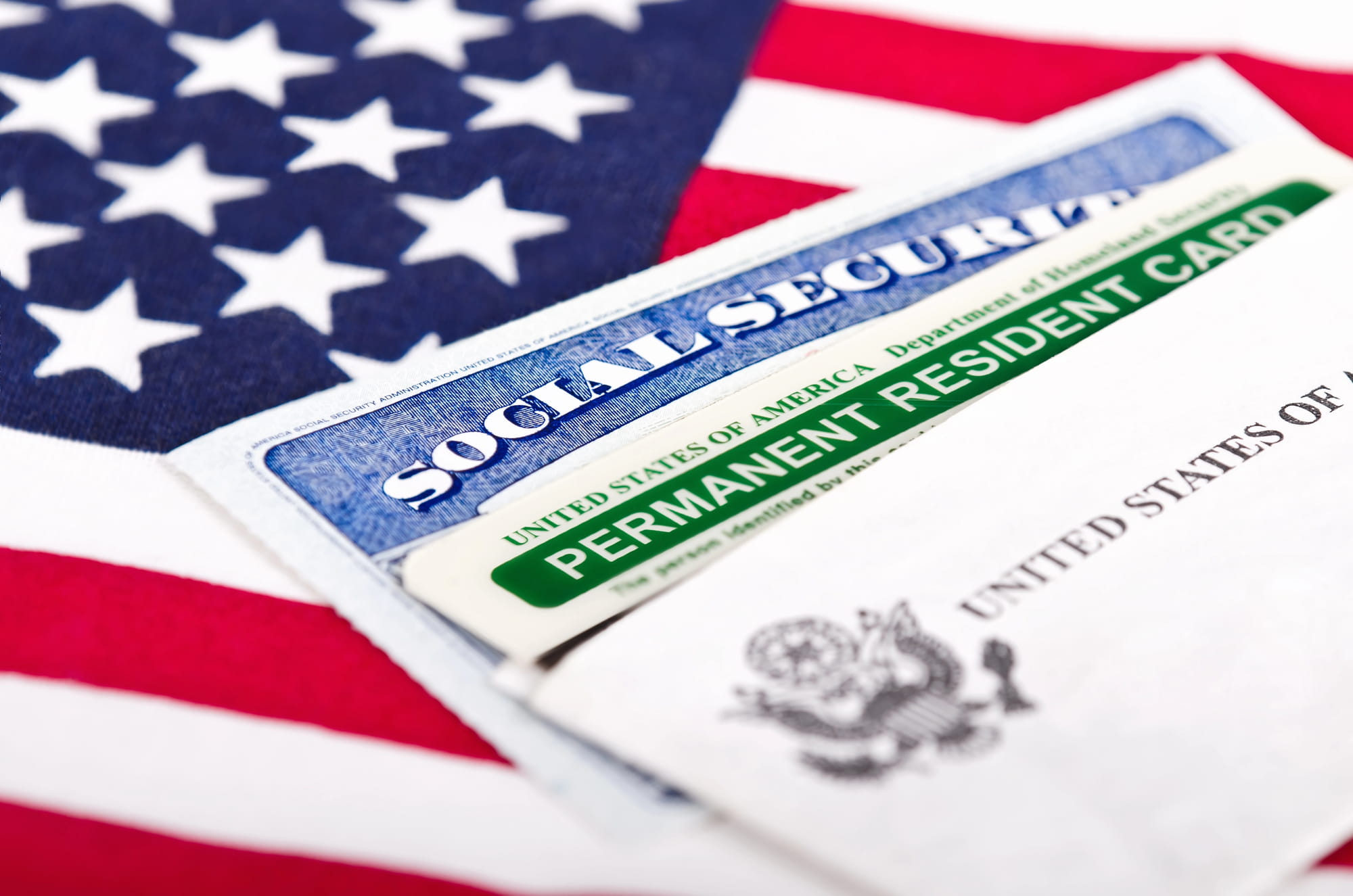

If you were admitted to the United States as a refugee between January 2021 and February 2025, your case may be subject to a comprehensive USCIS review and mandatory re-interview. An estimated 200,000 refugees admitted during the Biden administration are now facing unprecedented scrutiny as part of a sweeping policy change under the Trump administration.
This guide explains what’s happening, who is affected, what USCIS is looking for, and how to prepare for your refugee status re-interview to protect your immigration status and green card eligibility.
What Is the USCIS Refugee Re-Interview Program?
In November 2025, USCIS Director Joseph Edlow signed an internal memo ordering a comprehensive review of all refugees admitted between January 20, 2021, and February 20, 2025. The program, known as PARRIS (Post-Admission Refugee Reverification and Integrity Strengthening), represents one of the largest refugee case audits in U.S. immigration history.
The memo claims the Biden administration prioritized speed and volume over detailed vetting, creating potential vulnerabilities in the refugee admission process. As a result, USCIS has suspended all pending green card applications (Form I-485) for affected refugees until individual cases undergo re-review.
Key Facts About the Review:
- Affected individuals: Approximately 200,000 principal refugees and their derivative family members
- Admission period: January 21, 2021 – February 20, 2025
- Current status: All refugee green card applications are on indefinite hold
- Timeline: USCIS expects to create a priority list for re-interviews within 90 days (by March 2026)
- Consequences: Refugee status may be revoked if USCIS determines you didn’t meet eligibility requirements
Who Is Affected by the Refugee Re-Interview Requirement?
This review applies to both principal refugees and derivative family members admitted during the specified timeframe. You are affected if:
- You were admitted to the U.S. as a refugee between January 2021 and February 2025
- You are a derivative family member (spouse or child) of a principal refugee
- You have a pending Form I-485 (Application to Adjust Status to Permanent Resident)
- You were already approved for a green card during this period
The largest groups of affected refugees include individuals from:
- Afghanistan
- Democratic Republic of Congo
- Venezuela
- Syria
- Myanmar (Burma)
- Somalia
- Sudan
- Ukraine
USCIS has begun conducting re-interviews in Minnesota, with plans to expand nationwide in coming months.
Understanding the Green Card Application Hold
One of the most immediate impacts is the indefinite suspension of green card processing for affected refugees. Here’s what you need to know:
Current Green Card Processing Status:
If you haven’t applied yet: You are required by law to apply for permanent residence one year after admission as a refugee. While applications are being accepted, they will not be adjudicated during the hold period.
If your application is pending: Your Form I-485 is frozen until USCIS completes its review of your refugee admission. You cannot appeal this delay.
If you’re already a lawful permanent resident: Your case may still be reopened and reviewed if you obtained your green card during the affected timeframe.
Important Legal Point:
According to the USCIS memo, if a principal refugee’s case is denied, all derivative family members will also lose their refugee status, regardless of their individual circumstances.
What USCIS Is Looking For in Re-Interviews
The re-interview process focuses on determining whether you met the statutory definition of a refugee at the time of your admission. USCIS officers will examine:
Primary Review Criteria:
- Past persecution or well-founded fear: Did you experience persecution or have a credible fear of persecution based on race, religion, nationality, political opinion, or membership in a particular social group?
- Persecutor bar issues: Were you ever involved in persecuting others? This is a critical inadmissibility ground.
- Material misrepresentation: Did you provide false information or omit important facts during your initial refugee processing?
- Security concerns: Are there any national security or public safety issues in your background?
- Criminal history: Have you committed any crimes since arriving in the United States?
- Continued eligibility: Do you still qualify for refugee status, or have circumstances changed?
What Changed Since Biden Administration:
The Trump administration claims Biden-era processing emphasized speed over thorough vetting. USCIS is now applying stricter scrutiny to:
- Evidence of persecution claims
- Country conditions analysis
- Background security checks
- Fraud detection protocols
- Terrorism-related inadmissibility grounds (TRIG)
How to Prepare for Your USCIS Refugee Re-Interview
Preparation is critical. Even if you were legitimately admitted as a refugee, you must be ready to present your case clearly and provide supporting documentation.
Step 1: Consult an Immigration Attorney Immediately
Do this first: Find an experienced immigration attorney who specializes in refugee and asylum cases. An attorney can:
- Review your original refugee case file
- Identify potential vulnerabilities
- Prepare you for challenging questions
- Represent you during the re-interview
- Advise whether you need additional evidence
Do not withdraw your I-485: Some refugees panic and consider withdrawing applications. This could harm your case. Consult an attorney before making any decisions.
Step 2: Gather Essential Documentation
Compile a complete file of documents that support your refugee claim:
Identity and Status Documents:
- Passport (even if expired)
- Form I-94 Arrival-Departure Record
- Refugee travel document
- Any previous immigration documents
- UNHCR registration (if applicable)
Evidence of Persecution:
- Medical records documenting injuries
- Police reports from your home country
- Witness statements or affidavits
- Photographs of harm or threats
- News articles about events affecting you
- Human rights reports about your country
- Documentation of threats received
Family and Background Documents:
- Birth certificates for all family members
- Marriage certificates
- Divorce decrees (if applicable)
- Death certificates (if applicable)
- Educational records
- Employment history documentation
U.S. Integration Evidence:
- Employment records and pay stubs
- Tax returns
- Lease agreements or mortgage documents
- Children’s school records
- Community involvement (volunteer work, religious organizations)
- English language certificates
- Letters of support from employers, community members
Step 3: Review Your Original Refugee Application
Request a copy of your complete refugee case file from your attorney or through FOIA (Freedom of Information Act). Review every detail:
- Refresh your memory about dates, locations, and events
- Ensure your current testimony will be consistent with your original statements
- Identify any discrepancies that need explanation
- Understand what evidence was submitted initially
Critical tip: Inconsistencies between your original application and re-interview testimony can raise red flags. If circumstances have changed or you need to correct earlier statements, prepare clear explanations.
Step 4: Prepare Your Persecution Narrative
USCIS will ask detailed questions about your persecution claim. Prepare by:
Writing a timeline:
- List all persecution events in chronological order
- Include specific dates (even approximate ones)
- Note locations, perpetrators, and witnesses
- Describe what happened and why you were targeted
Practicing your story:
- Speak clearly and consistently about events
- Explain how persecution relates to protected grounds (race, religion, nationality, political opinion, particular social group)
- Describe your well-founded fear of future persecution if you returned
- Be prepared to discuss country conditions in your homeland
Addressing difficult topics:
- Persecution can involve trauma; prepare emotionally
- Practice discussing painful events in a clear manner
- Consider counseling support if needed
- Inform your attorney about sensitive issues
Step 5: Understand Inadmissibility Grounds
USCIS will scrutinize whether you are inadmissible to the United States. Common concerns include:
- Criminal history: Any arrests, convictions, or criminal involvement
- Persecutor bar: Participation in persecution of others
- Terrorism-related grounds (TRIG): Material support to terrorist organizations, even under duress
- Fraud or misrepresentation: Lying on applications
- Public charge: Being likely to become dependent on government benefits
- Health-related grounds: Communicable diseases, mental health issues
If any of these apply to you, discuss them with your attorney before your interview.
Step 6: Prepare for Family Member Interviews
If you are the principal refugee, remember:
- Your derivative family members may also be interviewed
- Your children may be questioned (even minors)
- Ensure everyone’s testimony is consistent
- Discuss your case with family members beforehand
- Bring all family members listed on your refugee application
Step 7: Arrange for an Interpreter
If you are not fluent in English, you must bring your own qualified interpreter. USCIS will not provide one.
Interpreter requirements:
- Must be at least 18 years old
- Fluent in both English and your native language (including dialects)
- Cannot be a close family member
- Will take an oath to interpret accurately
Test your interpreter before the interview to ensure they can handle:
- Legal immigration terminology
- Your persecution narrative
- Sensitive and traumatic topics
Step 8: What to Bring to Your Re-Interview
When you receive your interview notice, follow all instructions carefully. Generally, bring:
- Interview appointment notice (Form I-797C)
- Government-issued photo ID (passport, driver’s license)
- Complete copy of your refugee application and all supporting documents
- All original civil documents (birth certificates, marriage certificates, etc.)
- Updated evidence addressing any changes since your application
- Your interpreter (if not fluent in English)
- Your immigration attorney
Pro tip: Organize documents in labeled folders – one with originals, one with copies. This makes it easier to reference materials during your interview.
What to Expect During the USCIS Re-Interview
Interview Structure:
- Oath administration: You and your interpreter will swear to tell the truth
- Identity verification: Officer confirms your identity and family members present
- Application review: Officer verifies information in your refugee file
- Persecution questioning: Detailed questions about why you fled and your fear of return
- Inadmissibility assessment: Questions about criminal history, persecutor bar, fraud
- Country conditions discussion: Questions about current situation in your home country
- Closing: Officer may request additional evidence or schedule follow-up
Interview Tips:
Do:
- Answer all questions truthfully and completely
- Say “I don’t know” or “I don’t remember” if you’re uncertain
- Ask for clarification if you don’t understand a question
- Bring up important information even if not directly asked
- Remain calm and respectful
Don’t:
- Guess at answers you don’t know
- Provide inconsistent information from your original application
- Argue with the officer
- Volunteer information about family members not on your case
- Leave without understanding next steps
After the Interview:
The officer will not give you a decision on the same day. Possible outcomes include:
- Approval: You will eventually receive notice that your refugee status is confirmed and I-485 processing will resume
- Request for Evidence (RFE): USCIS needs additional documentation
- Notice of Intent to Deny (NOID): USCIS plans to deny your case; you have time to respond
- Denial: Your refugee status may be terminated; you could face removal proceedings
Processing times vary widely – decisions may take weeks, months, or longer.
What Happens If Your Refugee Status Is Revoked?
If USCIS determines you were improperly admitted as a refugee, serious consequences follow:
Immediate Impacts:
- Your refugee status is terminated
- Your Form I-485 is denied (cannot appeal USCIS decision)
- Derivative family members also lose refugee status
- You may be referred to ICE for removal proceedings
- Work authorization may be revoked
Your Legal Options:
Even if USCIS denies your case, you are not automatically deported. You will likely be placed in removal proceedings before an immigration judge, where you can:
- Apply for asylum (if you still meet requirements)
- Apply for withholding of removal
- Request protection under the Convention Against Torture
- Present evidence the USCIS officer didn’t consider
- Challenge USCIS’s determination
This is why having an attorney is critical – immigration court provides more opportunities to fight your case.
Special Considerations for Afghan Refugees
Afghan refugees face particular scrutiny under this review. Many fled after the U.S. withdrawal from Afghanistan in 2021 and were admitted through expedited processes.
Additional concerns for Afghans:
- Terrorism-related inadmissibility (TRIG): Material support issues related to Taliban, even under duress
- Employment verification: Working for U.S. forces, NGOs, or Afghan government
- Family member affiliations: Relatives’ activities may trigger additional questions
- Security clearances: Prior work with U.S. military or contractors
If you’re an Afghan refugee, work closely with an attorney familiar with TRIG waivers and Afghan-specific issues.
Resources for Affected Refugees
Legal Assistance:
- American Immigration Lawyers Association (AILA): Find an immigration attorney near you
- HIAS (Hebrew Immigrant Aid Society): Refugee legal services
- International Refugee Assistance Project (IRAP): Free legal assistance
- Human Rights First: Refugee advocacy and legal support
- Local refugee resettlement agencies: May provide legal referrals
Government Resources:
- USCIS Contact Center: 1-800-375-5283 (Monday-Friday, 8am-8pm ET)
- USCIS Case Status Online: Check your case at uscis.gov
- FOIA requests: Request your complete immigration file
Community Support:
- Welcome.US: Resources and policy updates for refugees
- Refugee Council USA: Advocacy organization
- Local ethnic community organizations: Language-specific support
Frequently Asked Questions About Refugee Re-Interviews
Q: Can I avoid the re-interview if I’m already a green card holder? A: Not necessarily. USCIS may reopen and review your case even if you already obtained permanent residence during the affected timeframe.
Q: Will I be detained during this process? A: Not automatically. However, if USCIS identifies serious inadmissibility issues, you could be referred to ICE. Most refugees remain in their communities during the review process.
Q: How long will my green card application be on hold? A: There is no set timeline. USCIS stated the hold is indefinite until the review is complete.
Q: Can I travel outside the U.S. during this review? A: If you have a valid refugee travel document, you may travel. However, consult an attorney first – traveling could complicate your case or raise additional questions.
Q: What if I can’t afford an attorney? A: Many nonprofit organizations provide free or low-cost legal services to refugees. Contact local refugee resettlement agencies, AILA’s pro bono directory, or IRAP for assistance.
Q: Will this affect my children who were born in the United States? A: No. Children born in the U.S. are U.S. citizens regardless of their parents’ immigration status.
Q: Can I apply for citizenship instead of going through this review? A: Only if you’ve been a permanent resident for at least 5 years (or 3 years if married to a U.S. citizen). If your I-485 is still pending, you cannot apply for citizenship yet.
Important Deadlines and Timeline
- November 21, 2025: USCIS memo signed, green card hold begins
- March 2026 (approximately): USCIS expects to have priority list for re-interviews
- Ongoing: Re-interviews are occurring in Minnesota and will expand to other jurisdictions
- Unknown: Timeline for completing all 200,000+ case reviews
Take Action Now: Next Steps for Affected Refugees
If you’re a refugee admitted between January 2021 and February 2025, don’t wait for a USCIS notice to act. Take these steps immediately:
- Find an immigration attorney: Schedule a consultation within the next 1-2 weeks
- Request your immigration file: File a FOIA request to obtain your complete refugee case file
- Gather documents: Begin compiling all evidence supporting your persecution claim
- Review your case: Go through your original refugee application with your attorney
- Prepare your family: If you have derivative family members, ensure everyone understands the situation
- Stay informed: Monitor USCIS announcements and policy updates
- Maintain stability: Continue working, paying taxes, and demonstrating positive community ties
Most importantly: Do not ignore this situation or assume it won’t affect you. Proactive preparation is your best defense.
Why This Policy Matters
This review represents a fundamental shift in how the United States approaches refugee protection. Critics argue it:
- Wastes government resources re-vetting thoroughly screened refugees
- Traumatizes vulnerable populations who already faced persecution
- Undermines the integrity of the U.S. refugee program
- Creates unnecessary fear in refugee communities
Supporters contend it ensures:
- Proper vetting procedures were followed
- National security concerns are addressed
- Immigration law is properly enforced
- Only eligible refugees remain in the country
Regardless of political perspectives, the policy is now in effect, and affected refugees must prepare accordingly.
Conclusion: Protecting Your Refugee Status
The unprecedented review of 200,000 Biden-era refugees represents one of the most significant changes to U.S. immigration policy in recent years. While the situation is stressful and uncertain, refugees who were legitimately admitted have strong grounds to maintain their status.
The key is preparation. By working with qualified immigration attorneys, gathering comprehensive documentation, and understanding what USCIS is looking for, you can navigate this process successfully.
Remember: You were granted refugee status because you faced persecution or had a well-founded fear of persecution. If those facts haven’t changed, you deserve to maintain your protection in the United States.Don’t face this alone. Reach out to legal and community resources today. Your future in America depends on the actions you take now.